Skip to product information
1 of 2

Stahls Hotronix

Stahls' Hotronix Auto Open Clam 16" x 20"

Stahls' Hotronix Auto Open Clam 16" x 20"

Regular price $2,050.00
Regular price Sale price $2,050.00
Sale Sold out
Shipping calculated at checkout.

Hotronix Auto Open Clam 16" × 20"

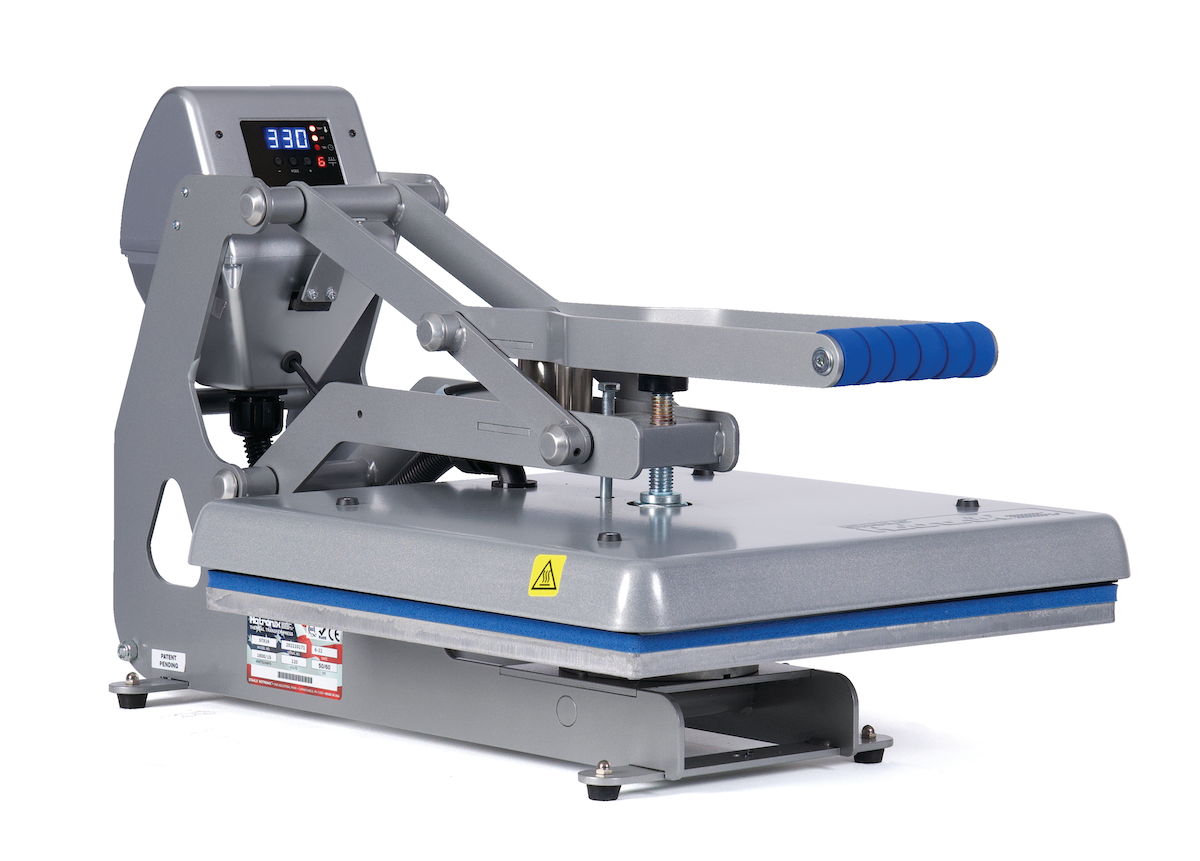
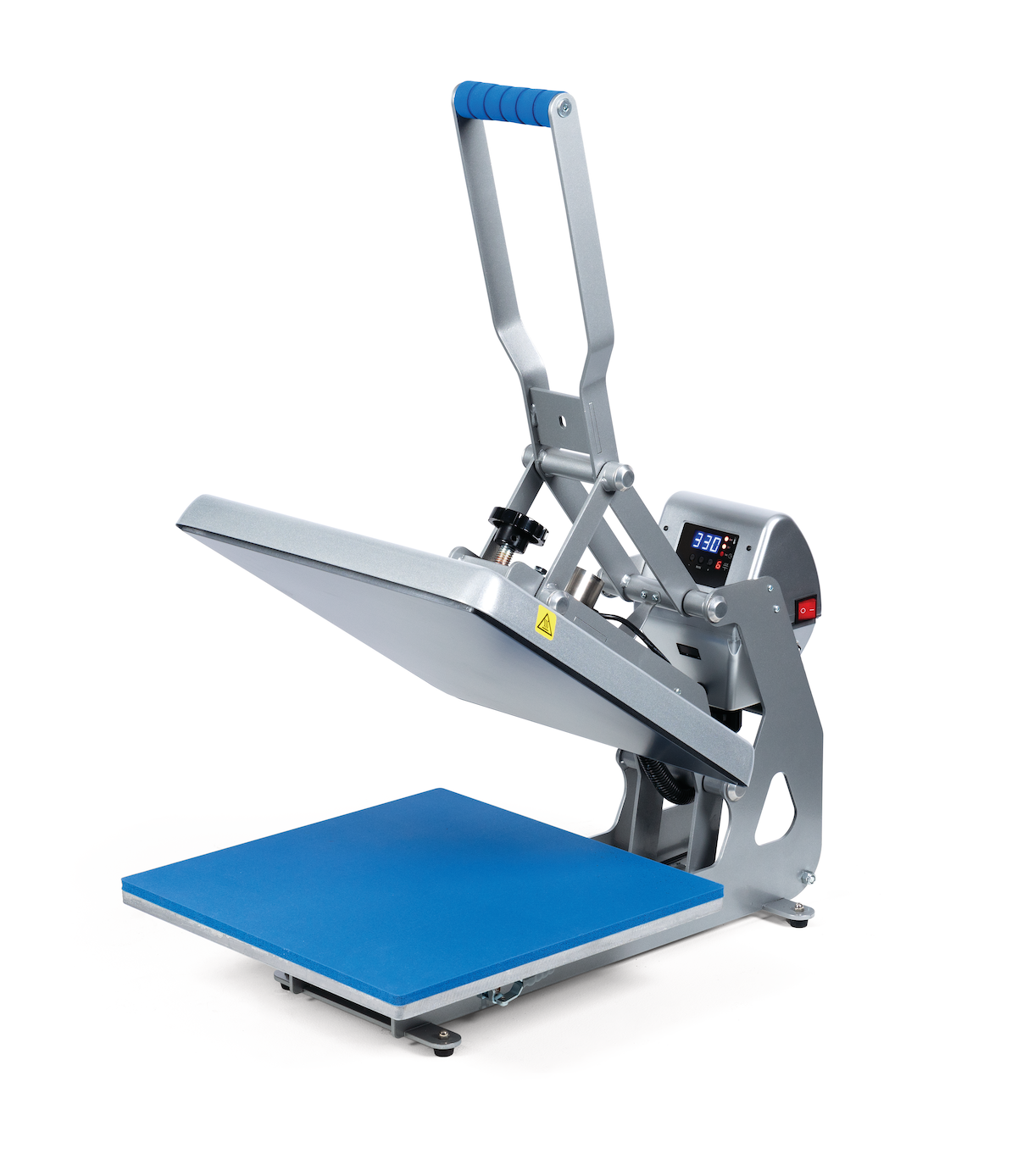
Eliminate over-pressing with the Hotronix Auto Open Clam 16" × 20", featuring a magnetic auto-open system to lift the platen at cycle end. With digital time, temperature, and pressure controls, a ¾" non-stick platen, and magnetic assist lock-down, this press is built for precision and repeatability in production environments.

Key Features & Benefits

  • Magnetic Auto-Open: Auto-lifts at the end of a press cycle to prevent scorching or over-application.
  • Digital Controls: Program and save your settings for different substrates and workflows.
  • Magnetic Assist Lock-Down: Secure closure with less physical force required from the operator.
  • ¾" Non-Stick Upper Platen: Smooth, even heating and clean release on transfers.
  • Wide Opening & Interchangeable Platens: Easily layout garments and adapt to specialty shapes.

Who It’s For & How to Use It

This press is perfect for apparel decorators, transfer businesses, and DTF/HTV operations seeking reliable performance. Use the digital panel to select your time, temperature, and pressure, align your garment or film, and let the auto-open mechanism finish the job—with consistent, professional results every time.
View full details
  • Need Assistance with Stahls Hotronix Products?

    Our team is committed to your success and satisfaction. We are passionate about helping the printing community through knowledge, education, and service. Need additional information on our products, contact us today and we will be happy to assist!

Frequently Asked Questions

Where is Blue Ridge Screen Products located?

Blue Ridge Screen Products is located in Charlotte, North Carolina. Our facility includes a showroom, warehouse, equipment demonstration area, and service support for screen printing and digital printing businesses.

Visit our contact page for our address, business hours, and directions.

Does Blue Ridge stock replacement parts and consumables?

Yes. Blue Ridge stocks a wide range of inks, films, powders, emulsions, chemicals, maintenance supplies, and replacement parts for many of the equipment brands we sell.

Browse our screen printing suppliesdigital printing supplies, or contact technical service for help locating a specific part.

Can I pick up my order from Blue Ridge Screen Products?

Yes, local pickup is available for eligible orders from our Charlotte, North Carolina location. Orders should be confirmed as ready before arriving for pickup.

Can I place an order in person at Blue Ridge Screen Products?

Yes. Blue Ridge Screen Products operates a retail store at our Charlotte, North Carolina location. Customers are welcome to visit Monday through Friday from 9:00 a.m. to 4:00 p.m. to browse available products, place an order in person, or pick up an existing order.

For large orders or specific products, we recommend calling before visiting to confirm availability.

What type of heat press is best for DTF transfers?

A heat press for DTF transfers should provide consistent temperature, even pressure, and a platen large enough for your typical designs. A 16-by-20-inch press is a popular size because it accommodates many full-front and full-back garment designs.

Higher-volume shops may benefit from a pneumatic or dual-station press that allows one garment to be prepared while another is being pressed.

Browse our commercial heat presses.

What is the difference between a clamshell, swing-away, and drawer heat press?

A clamshell press opens vertically and generally requires less floor space. A swing-away press moves the upper platen away from the lower platen, giving the operator more access to the garment. A drawer-style press allows the lower platen to slide out for easier loading.

The best style depends on your available space, application types, operator preference, and production volume.

What is the difference between a manual and pneumatic heat press?

A manual heat press requires the operator to close and open the press by hand. A pneumatic press uses compressed air to operate the platen and deliver repeatable pressure with less physical effort.

Manual presses work well for many small and mid-sized shops. Pneumatic presses are often selected for higher-volume production and workflows where consistency and operator efficiency are especially important.

What is the difference between a single-station and dual-station heat press?

A single-station press has one lower platen. A dual-station press has two working platens, allowing the operator to load or unload one garment while the other is being pressed.

Dual-station presses can improve production efficiency, but they require more floor space and may require compressed air. Browse our heat press selection to compare available configurations.

Does a pneumatic heat press require an air compressor?

Yes. A pneumatic heat press requires a compatible air compressor that can supply the pressure and airflow specified by the manufacturer.

Before installation, confirm:

  • Required PSI
  • Air consumption
  • Compressor tank capacity
  • Hose and fitting size
  • Moisture filtration
  • Electrical requirements for the compressor

Contact our equipment team for help matching a compressor to your press.

What heat press platen size should I choose?

All our heat presses come with a standard size platen that is perfect for many adult size garments. Having smaller platens are super helpful for youth garments, sleeves, bags, pant legs, and other difficult print locations.

Browse our heat press accessories for specialty platens, covers, pads, and production tools.

Does a heat press require a dedicated electrical circuit?

Many commercial heat presses should be connected to a dedicated circuit, but exact requirements vary by model. Check the manufacturer’s voltage, amperage, plug, and circuit specifications before installation.

Avoid extension cords unless the manufacturer specifically approves their use. Contact an electrician when you are unsure whether your shop can support a particular heat press.

What are the best air compressor settings for a pneumatic heat press?

The best compressor settings depend on the requirements of the specific heat press. In most cases, the compressor should be regulated to approximately 60–80 PSI, but the press manufacturer’s specified operating pressure should always take priority.

The compressor should also provide enough airflow to maintain pressure while the press is cycling repeatedly. A compressor that reaches the required PSI but cannot supply sufficient airflow may cause slow platen movement, inconsistent pressure, or interruptions during production.

For dependable operation:

  • Set the regulator to the pressure specified by the heat press manufacturer.
  • Use clean, dry compressed air.
  • Install a moisture separator or air filter when recommended.
  • Make sure the compressor can maintain pressure during continuous cycling.
  • Avoid setting the pressure higher than the press’s maximum rating.
  • Drain moisture from the compressor tank regularly.

Dual-station and higher-production presses may require a larger compressor than a single-station pneumatic press. Contact our equipment team for help matching a compressor to one of our commercial heat presses.

How can I track my order?

Once your order ships, you will receive a shipping confirmation email containing your tracking number and a link to view the latest delivery updates from the carrier.

Tracking information may take up to 24 hours to update after the carrier receives the shipment. Large equipment and freight orders may use a separate freight carrier and may require additional delivery coordination.

If you have not received tracking information or need help locating your shipment, contact our customer service teamwith your order number.